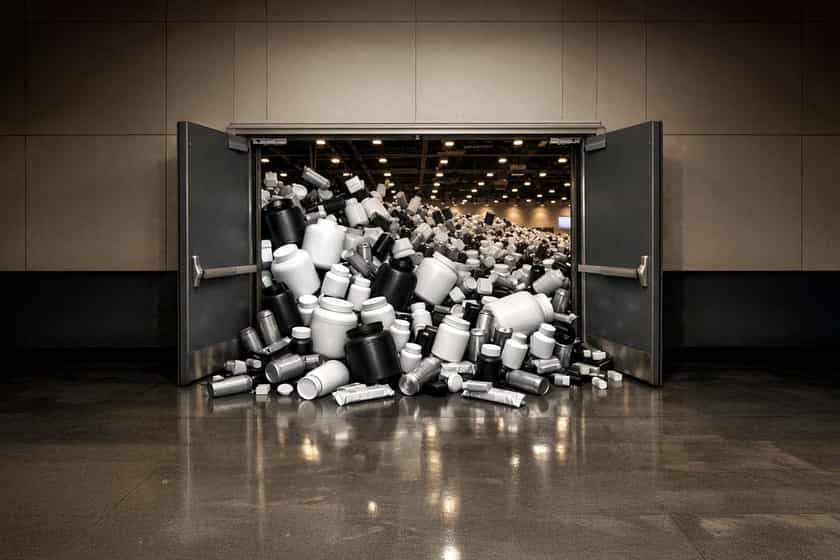

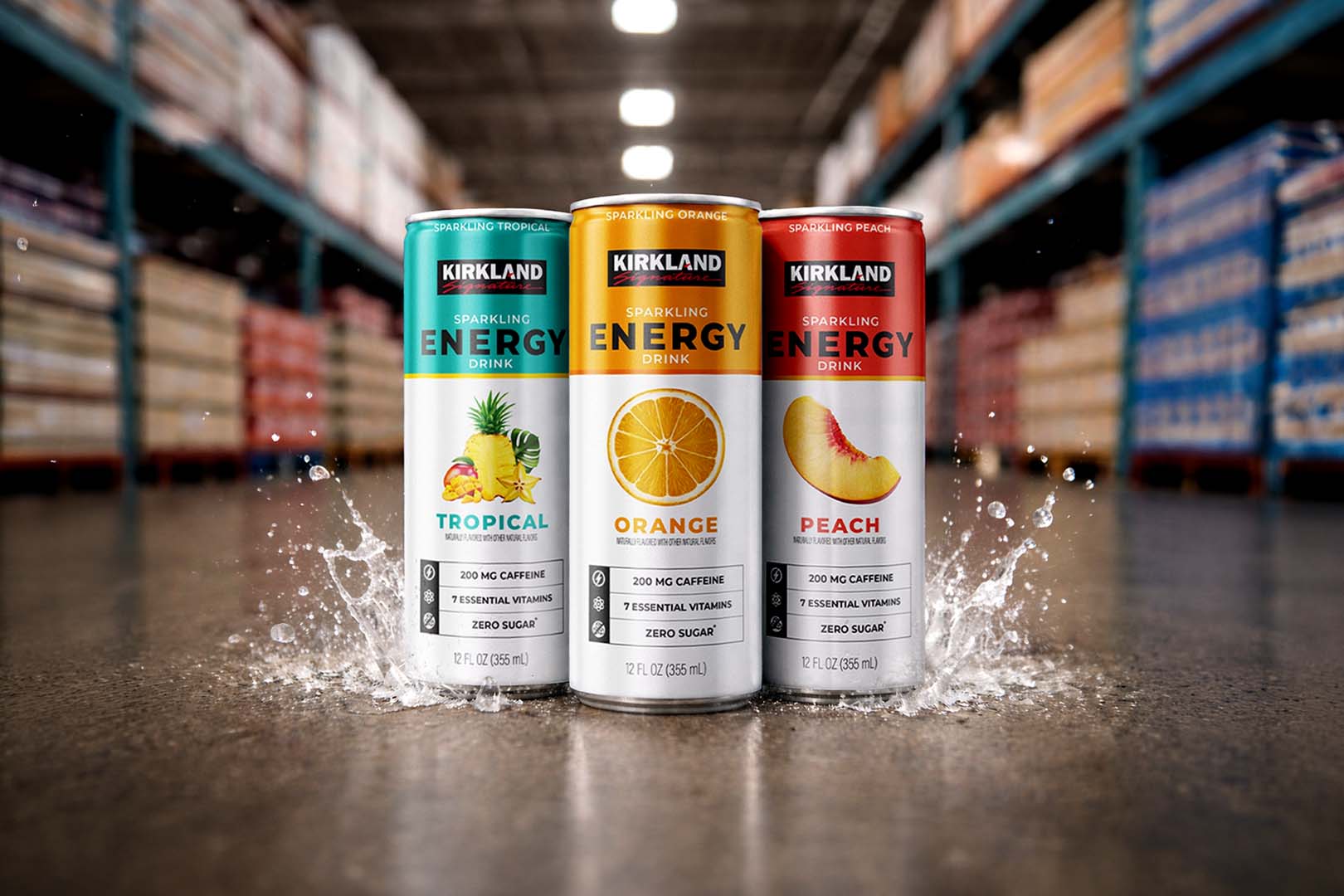
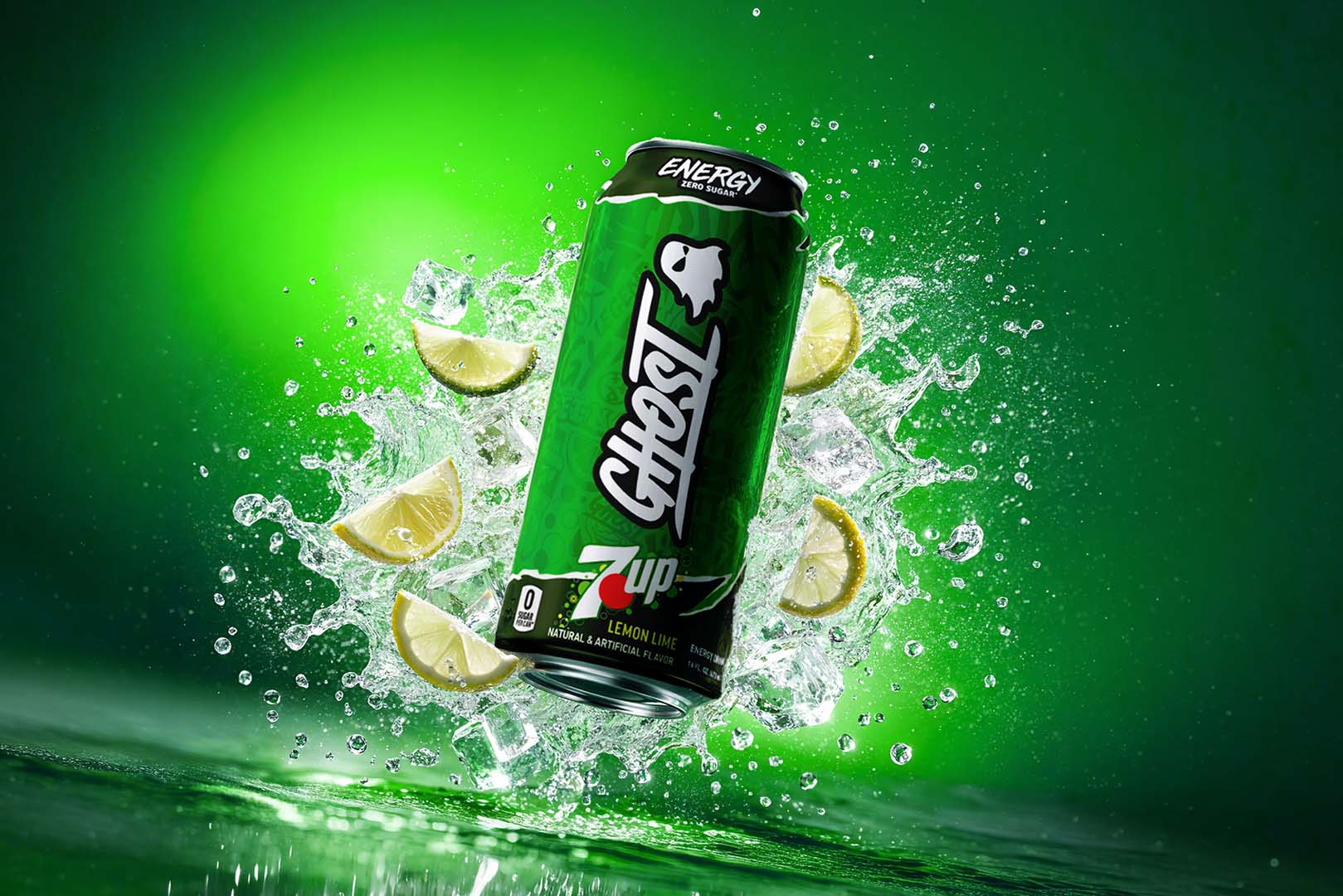

More news has come in this week on the topic of supplements and regulation in Australia with legislation that is effective immediately. It introduces even more rules into the market specifically for liquid and powder products that are high in caffeine, such as pre-workouts and flavored weight loss formulas.
In Australia, there were already regulations in place where powder supplements could not contain more than 320mg of caffeine in a daily serving. In addition to that, the country now prohibits the sale of products where caffeine makes up more than 5% of the daily serving or 1% in liquid supplements.
As an example, a pre-workout that has a recommended daily serving size of 5g, could contain no more than 250mg of caffeine. That percentage does, of course, only apply up until the 320mg limit, so if the serving is 10g and 5% works out to 500mg of caffeine, it would still only be allowed 320mg.
We’re also hearing that Australia is increasing enforcement on that upper caffeine limit of 320mg as well as the need for supplements to have compliant labels. Product label requirements are slightly different for the country as it follows food standards and lists a nutrition profile regardless of whether it has nil for everything.
You can read more about the new and immediate legislation in the official proposal document on Australia’s Food Standards website.